

Revision Strategies
How to read your manuscript like an editor

It was great to meet everyone at IPA BookCAMP! This page includes resources mentioned in my talk and a place to sign up for my twice-monthly newsletter, full of more content just like my talk. I’d love to stay in touch!

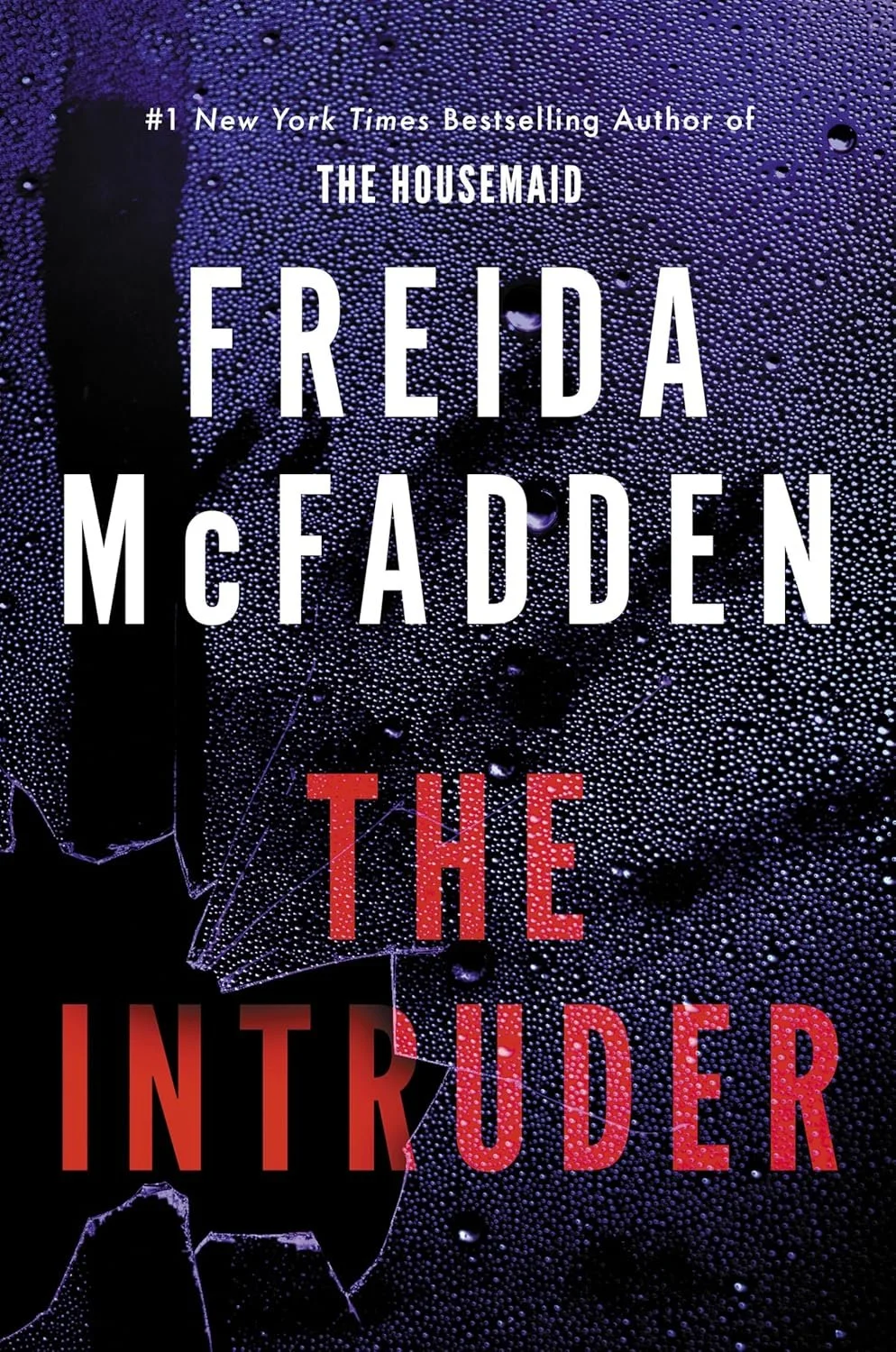
Novel Study Pop-Up!
Join me for a FREE Novel Study Book Club pop-up to get under the hood of Freida McFadden’s most recent bestseller and see how it all works. You’ll get my craft notes, analytical posts, book discussion threads, and live Zoom discussions.
May 11 – June 13
Key points
Transformation is messy!
Level 1: Story: Center the reader
Level 2: Scene: Take us inside
Level 3: Sentences: Cut and expand strategically
Each of these posts picks up where the talk left off
Go deeper
How timeline compression works in Wild Dark Shore by Charlotte McConaghy
A closer look at the reader-time vs. story-time idea — what happens when you shift your starting point forward and trap your highest-stakes events in backstory.
Level 1: Story
Level 2: Scene
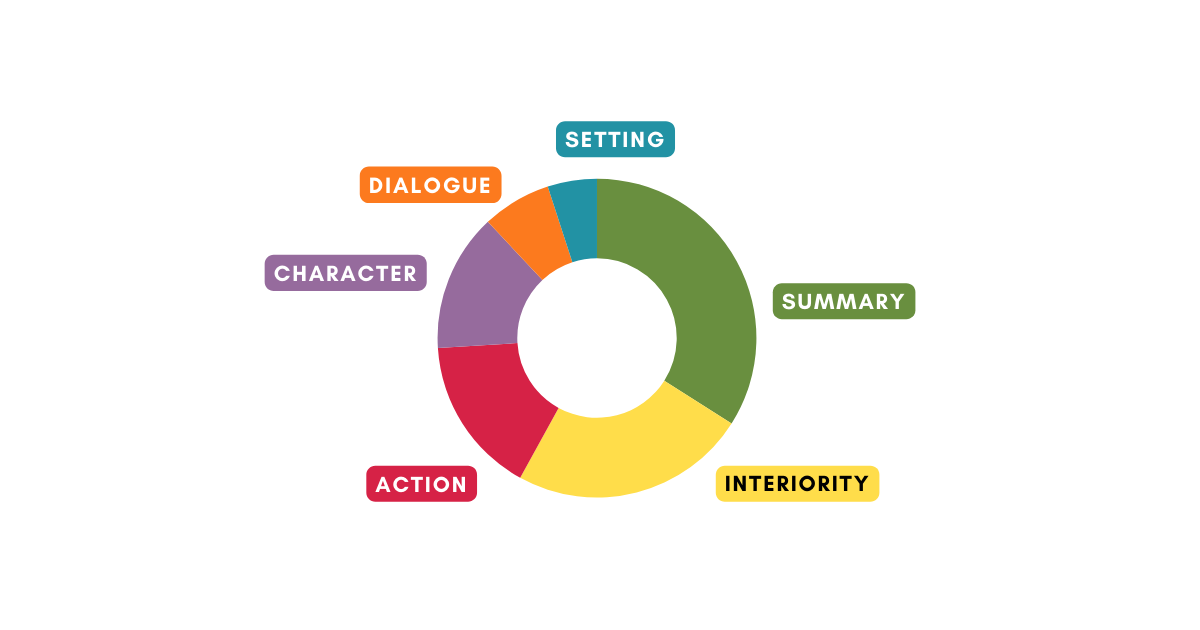
Summary as character development in V.E. Schwab's Bury Our Bones in the Midnight Soil Taking readers inside a character doesn't always mean slowing down. This scene study looks at how Schwab uses summary — usually the fastest gear in fiction — to compress years of time without losing emotional access.
Level 3: Sentences
How do you deliver plot surprises?
The sentence-level work in the talk was about cutting filter words — but sometimes you want them. This post looks at how Laura Dave uses words like notice and see deliberately, slowing a scene down to maximize the drama of a revelation.
Newsletter
Twice a month, I send deep-dive craft analyses of bestselling novels — the same analytical approach behind the three-level framework from the talk. Subscribe and I'll send you two tools to get started right away: the Novel Study Workbook and the Story Spreadsheet Template.


Want the whole framework?
Novel Study: Decoding the Secrets and Structures of Contemporary Fiction is a book-length version of the analytical approach behind the talk and the newsletter — twelve bestselling novels, broken down scene by scene.
