

Novel Study illustrations
Welcome! I hope you are enjoying Novel Study. All of the illustrations from Book 1 are collected here, for easy browsing and magnifying, alongside complete alt text.
(Looking for the Book 2 illustrations? Find them here.)
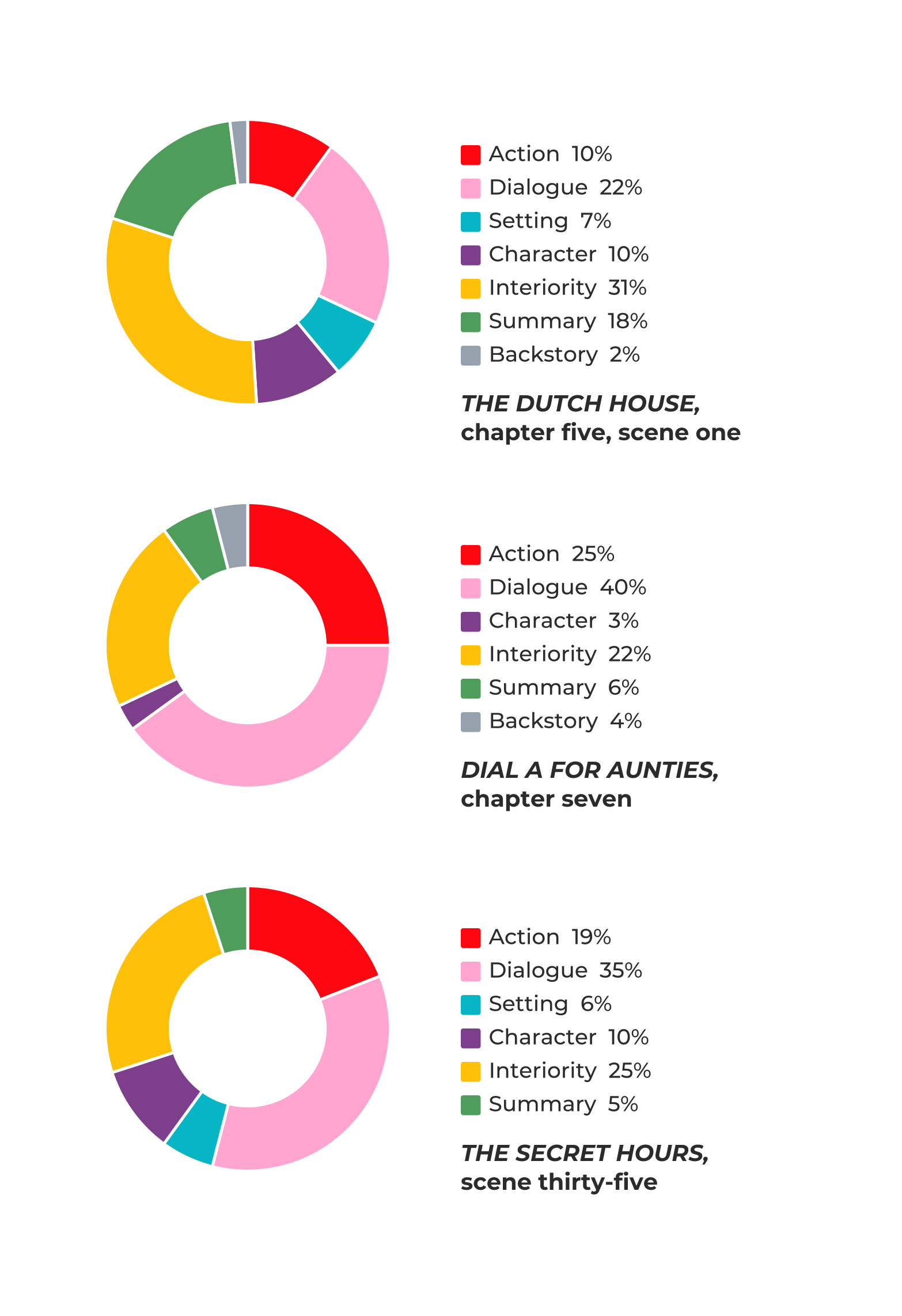
Figure 1: Scene composition.
Caption: These scenes differ in purpose and pacing, but interiority is an important component in all three.
Alt text: Three donut charts compare the share of each scene component in one scene from each of three novels. In The Dutch House (chapter five, scene one), interiority is the largest component at 31 percent, followed by dialogue at 22 percent, summary at 18 percent, action and character at 10 percent each, setting at 7 percent, and backstory at 2 percent. In Dial A for Aunties (chapter seven), dialogue dominates at 40 percent, with action at 25 percent and interiority at 22 percent, then summary at 6 percent, backstory at 4 percent, and character at 3 percent. In The Secret Hours (scene thirty-five), dialogue leads at 35 percent, followed by interiority at 25 percent, action at 19 percent, character at 10 percent, setting at 6 percent, and summary at 5 percent. Though the three scenes differ sharply in purpose and pacing, interiority is a substantial component in all three.
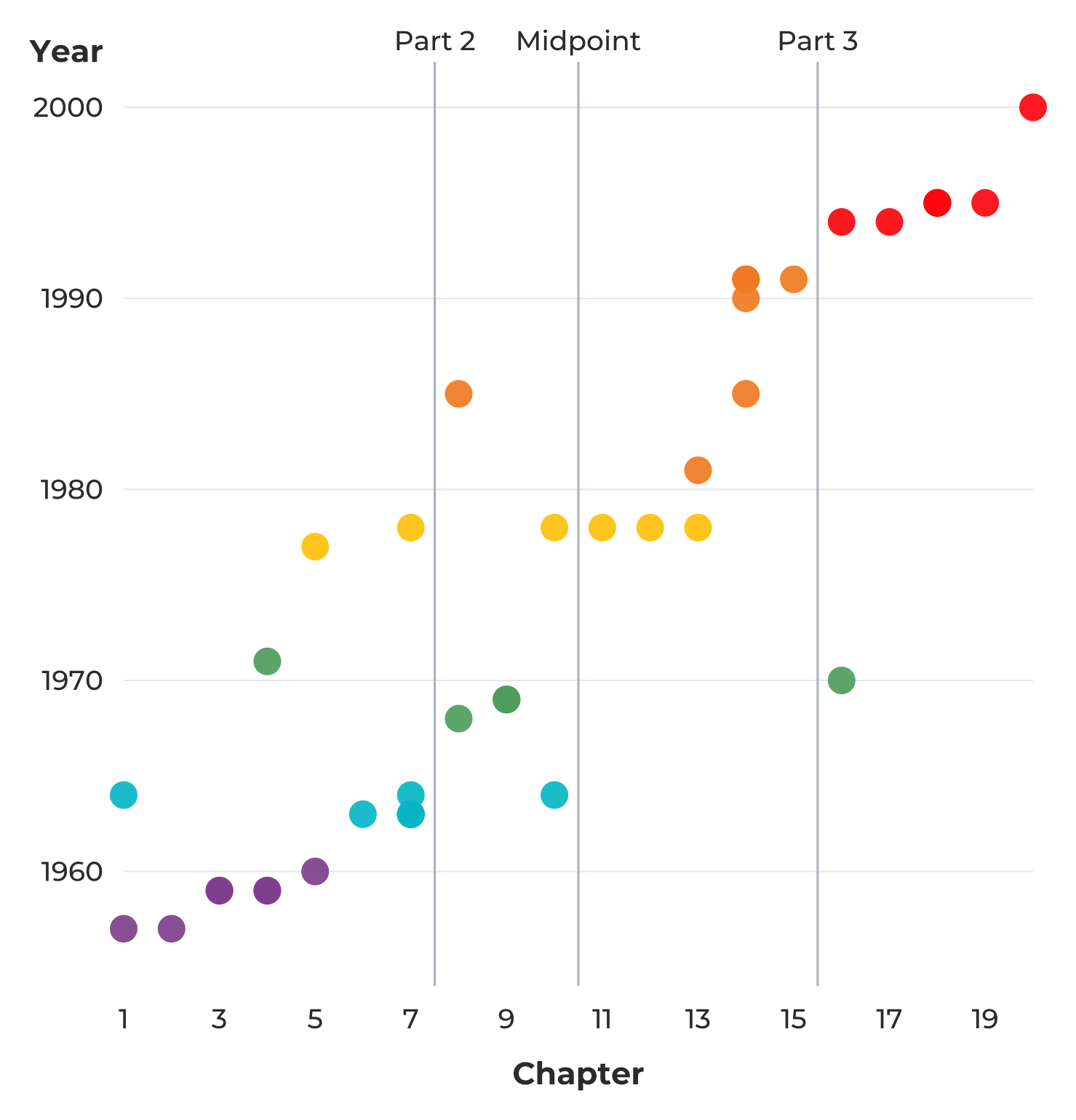
Figure 2: Chronology of The Dutch House.
Caption: Time jumps stoke suspense, generate dramatic irony, and underscore themes.
Alt text: A scatter plot places each chapter of The Dutch House (horizontal axis, chapters 1 to 20) against the year its events occur (vertical axis, roughly 1955 to 2000). Dots are colored by phase of narrator Danny's life: childhood, dispossession, young adulthood, residency and marriage, real estate and family, and return and repossession. Vertical lines mark the start of Part 2 (after chapter 7), the midpoint (after chapter 10), and Part 3 (after chapter 15). Rather than climbing in a straight line, the dots jump backward and forward in time from chapter to chapter—the early chapters bounce between the late 1950s and the mid-1960s, and a single young-adulthood chapter near the end (chapter 16) leaps back to about 1970. From the midpoint on, the story moves mostly forward, and the final chapters rise steadily to the year 2000. The non-linear order lets Patchett stoke suspense, generate dramatic irony, and underscore the novel's themes.
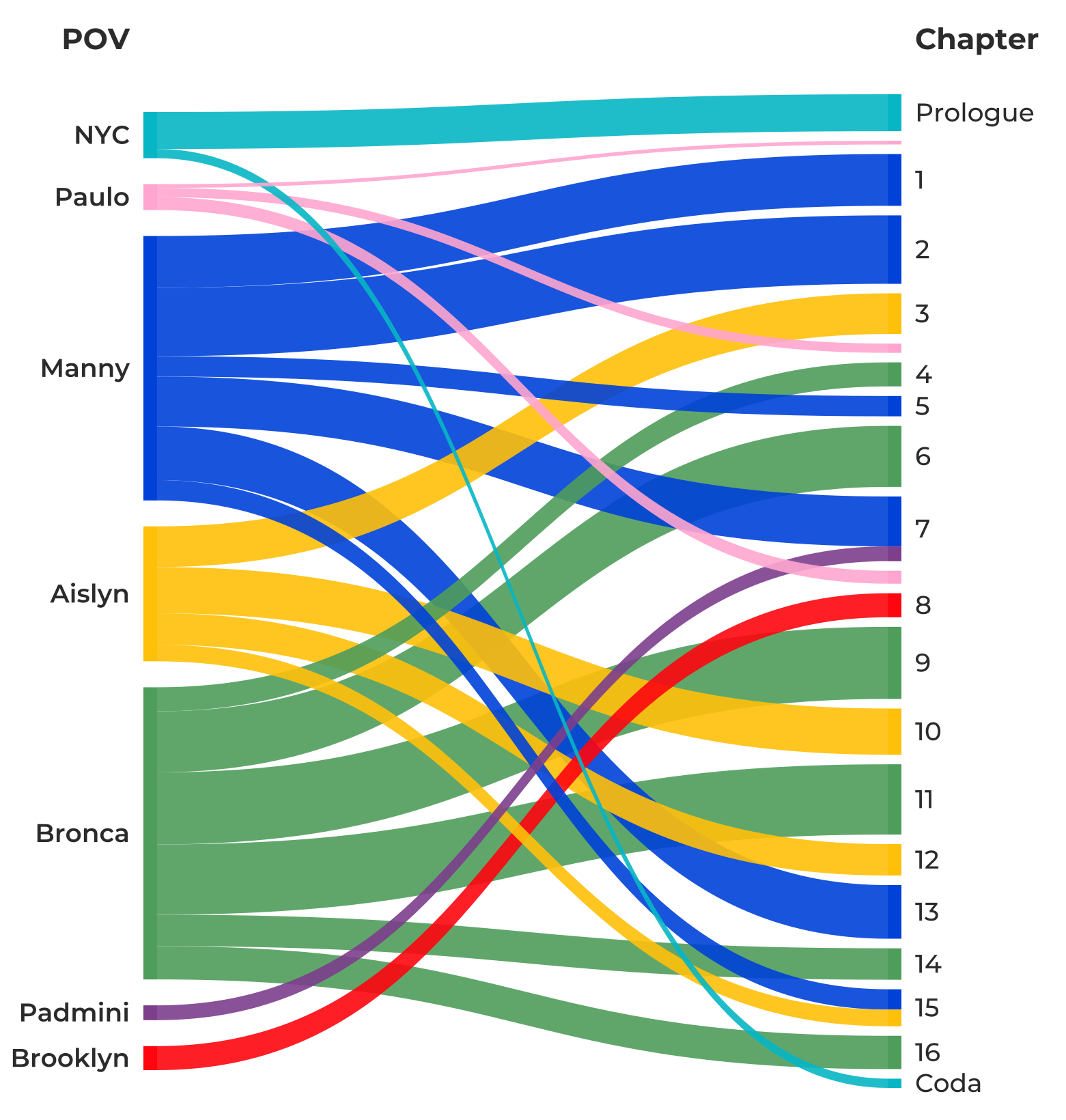
Figure 3: Narrators in The City We Became.
Caption: POVs are not evenly distributed and do not follow a set pattern. Narrator switches serve the needs of the story and shape the reading experience. Line width is proportional to page count.
Alt text: A flow (Sankey) diagram links each point-of-view character in The City We Became, listed on the left (NYC, Paulo, Manny, Aislyn, Bronca, Padmini, and Brooklyn), to the chapters they narrate, listed on the right (Prologue, chapters 1 to 16, and Coda). The width of each band is proportional to the character's page count. The bands are strikingly uneven: Manny and Bronca carry the largest share of the narration, Aislyn narrates a surprising number of chapters, and the NYC avatar bookends the novel with the Prologue and the Coda. Paulo narrates only in the first half and then drops away; Brooklyn and Padmini each narrate just one chapter, Brooklyn's placed at the heart of the book. The switches follow no fixed rotation—each one serves the needs of the story and shapes the reader's experience.
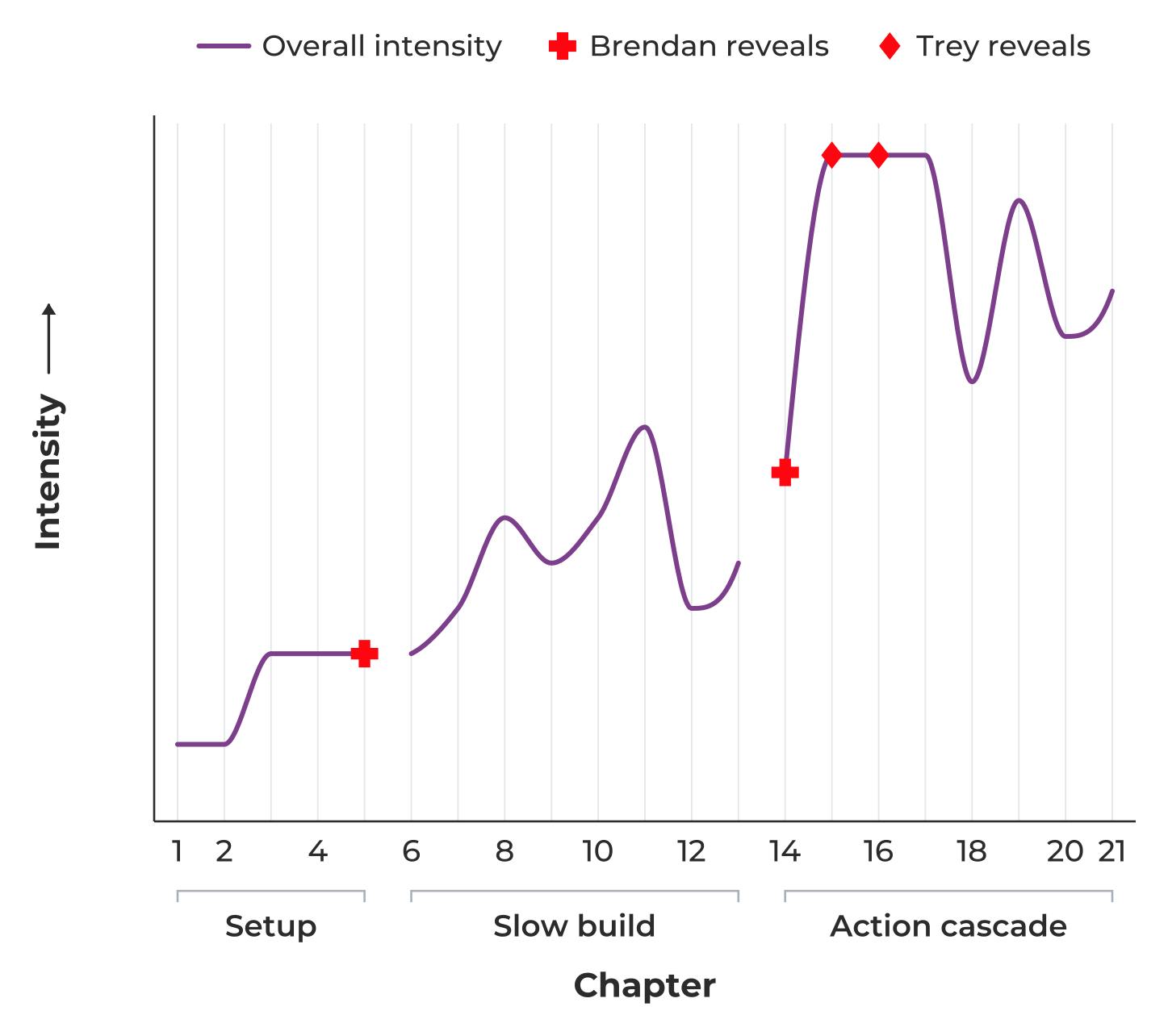
Figure 4: Plot structure of The Searcher.
Caption: The novel has an idiosyncratic structure and pacing that exists alongside a traditional three-act structure.
Alt text: A line chart tracks the overall intensity score (vertical axis, 1 to 10) of each chapter of The Searcher (horizontal axis, chapters 1 to 21). Brackets beneath the axis mark three movements: Setup (chapters 1 to 5), Slow build (chapters 6 to 13), and Action cascade (chapters 14 to 21). Through the first two movements the line stays low, hovering between 4 and 6. It then vaults upward at chapter 14 and peaks at 9 in chapters 15 and 16 before settling in the 7-to-8 range through the end. Red markers flag key revelations: cross symbols for the two Brendan reveals (chapters 5 and 14) and diamonds for the two Trey reveals (chapters 15 and 16). The shape reveals French's slow-burn, back-loaded pacing—an idiosyncratic structure that nonetheless coexists with a traditional three-act arc.
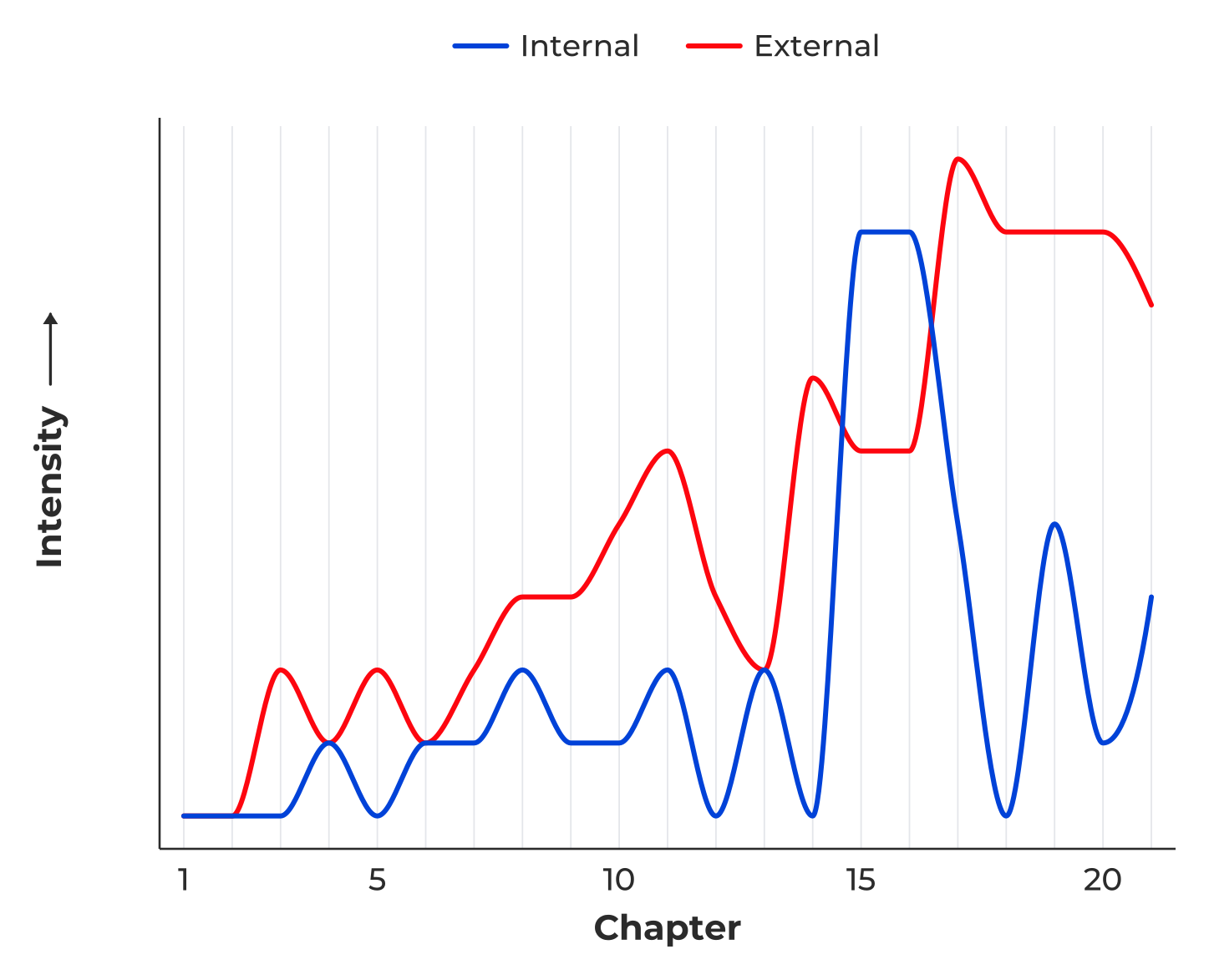
Figure 5: Internal versus external plots of The Searcher.
Caption: The novel slowly builds in intensity; the emotional arc and the action arc peak at different times.
Alt text: Two lines overlay the internal (emotional) and external (action) plots of The Searcher, chapter by chapter (horizontal axis, chapters 1 to 21; vertical axis, intensity 1 to 5). A blue line tracks the internal plot, a red line the external plot, and short purple segments mark the chapters where the two overlap at the same low level. For most of the novel the external line is the more active of the two, spiking to 3 and 4 during the slow-build chapters while the internal line holds flat at 2. The internal plot then surges to its peak of 5 in chapters 15 and 16—the emotional revelations about Cal’s past—just as the external line sits lower. Only afterward does the external line climb to a sustained 5 through the finale. The two arcs build slowly and peak at different times, each lending energy to the other.
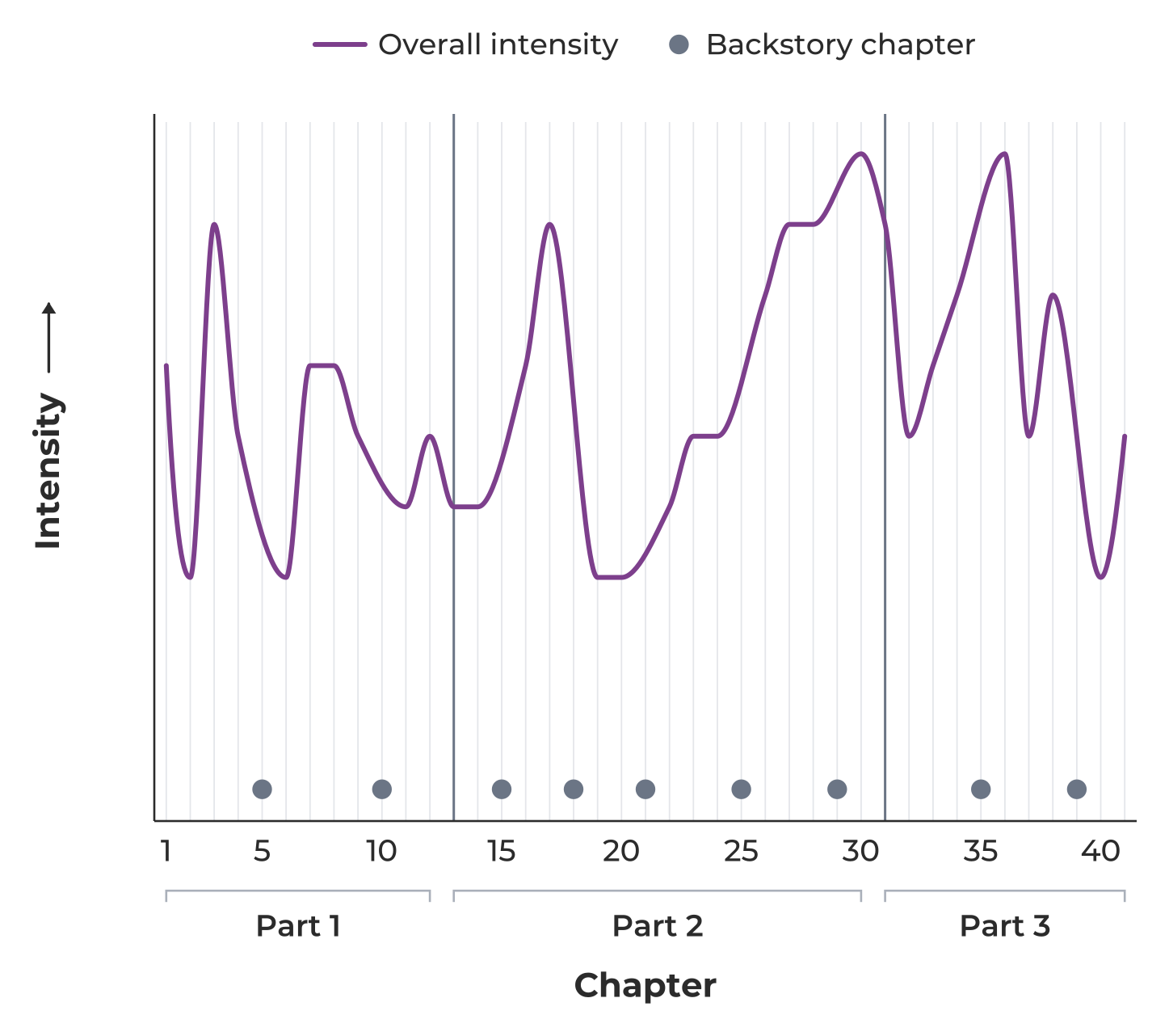
Figure 6: Plot structure of The Last Thing He Told Me.
Caption: Frequent high-intensity scenes are undergirded by backstory chapters.
Alt text: A line chart tracks the overall intensity (vertical axis, 1 to 10) of each chapter of The Last Thing He Told Me (horizontal axis, chapters 1 to 41), with vertical lines dividing the novel into three parts (chapters 1 to 13, 14 to 31, and 32 to 41). Gray dots along the bottom mark the nine backstory chapters, spaced at regular intervals every few chapters. Unlike The Searcher, this novel starts fast—the line reaches 9 by chapter 3—and sustains frequent high peaks throughout, climbing to 10 near the end of Part 2 (chapter 30) and again in Part 3 (chapter 36). The recurring backstory chapters, each a low-intensity beat, are threaded in just before or after the most intense scenes, undergirding the page-turner pacing.
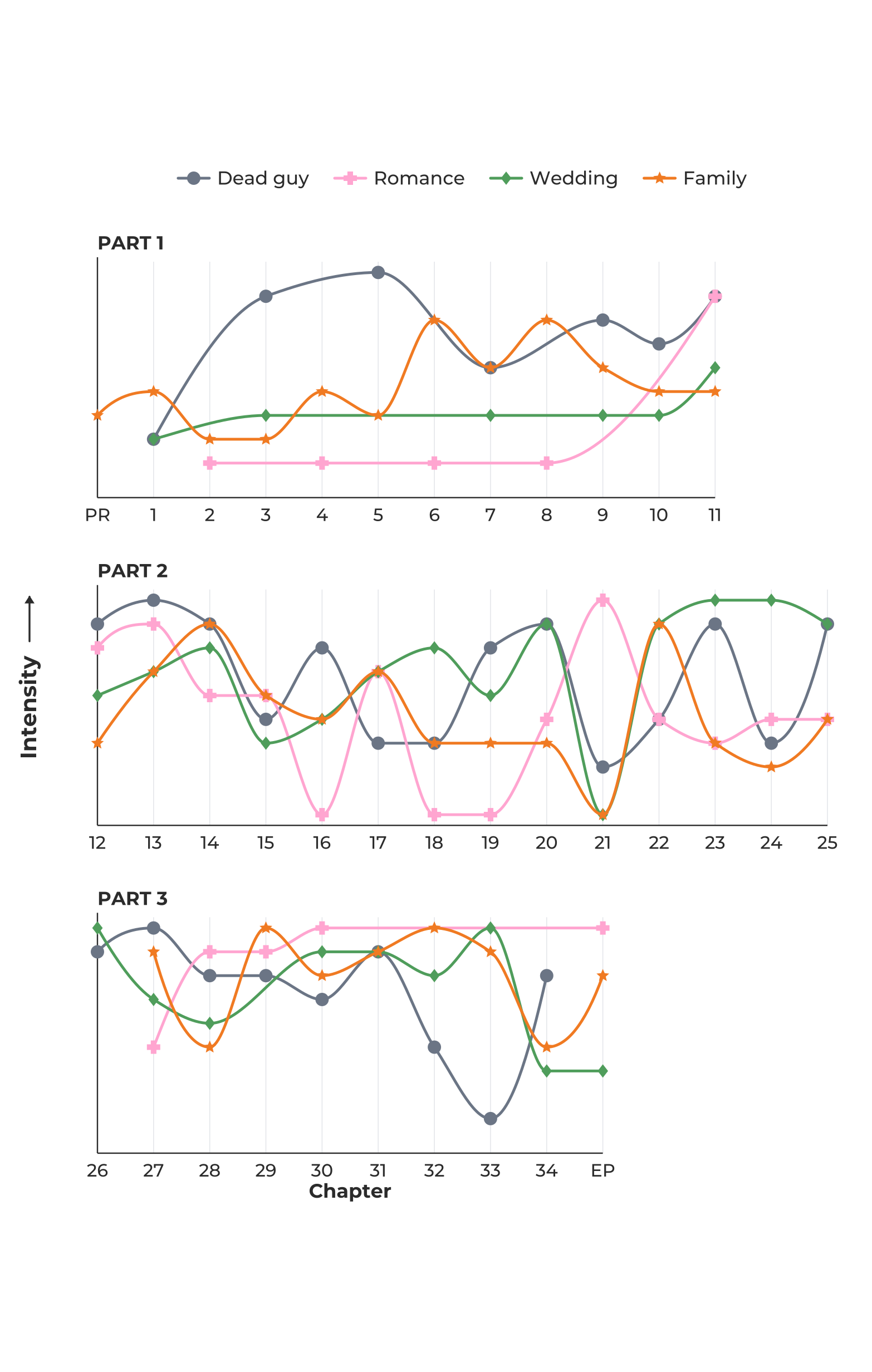
Figure 7: Subplots in Dial A for Aunties.
Caption: Multiple subplots provide steady tension because they can ramp up and down at different times.
Alt text: A three-panel line chart—one panel per part of the novel—tracks the intensity (vertical axis, 1 to 10) of the four subplots of Dial A for Aunties across its chapters (Prologue through chapter 34 and an Epilogue). Four lines follow the "dead guy" plot, the romance, the wedding, and the family. In Part 1 the dead-guy line soars almost immediately, reaching 10 by chapter 5, while the romance line stays flat at 2 until it jumps upward near the end of the part; the wedding and family lines rise and fall in the middle range. In Parts 2 and 3 the four lines cross and re-cross in a dense tangle, with the romance climbing to a sustained 10 by the finale. Because the strands ramp up and down at different times, at least one is always near a peak, keeping the tension steady throughout the book.
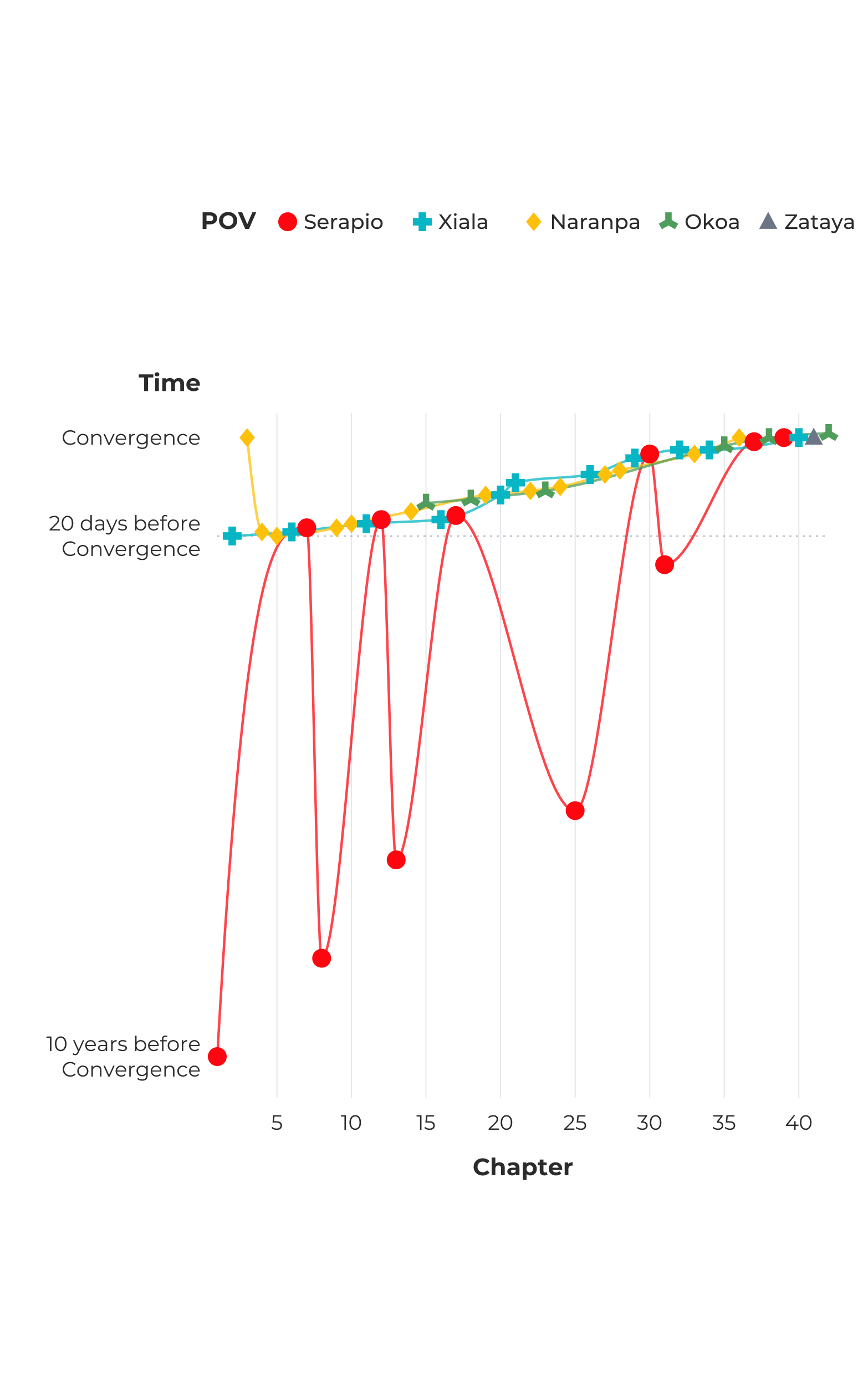
Figure 8: Chronology of Black Sun.
Caption: The first three chapters build suspense by mixing chronology, while periodic backstory chapters explain motivations.
Alt text: A scatter plot places each chapter of Black Sun (horizontal axis, chapters 1 to 42) against the point in story time it depicts (vertical axis, from "10 years before Convergence" at the bottom, through "20 days before Convergence," up to "Convergence" at the top). Marker shape and color identify the point-of-view character: Serapio, Xiala, Naranpa, Okoa, and Zataya. Most chapters cluster in a band that rises gently from twenty days before Convergence toward Convergence itself, as the characters' journeys draw together in both space and time. Against that steady line, Serapio's chapters (red) plunge far down the axis again and again—his backstory chapters, reaching back as far as ten years before Convergence—while a single early Naranpa chapter jumps ahead to the day of Convergence. The scattered opening chapters, set at three distinct times, build suspense, and Serapio's recurring dives into the past explain his motivations.
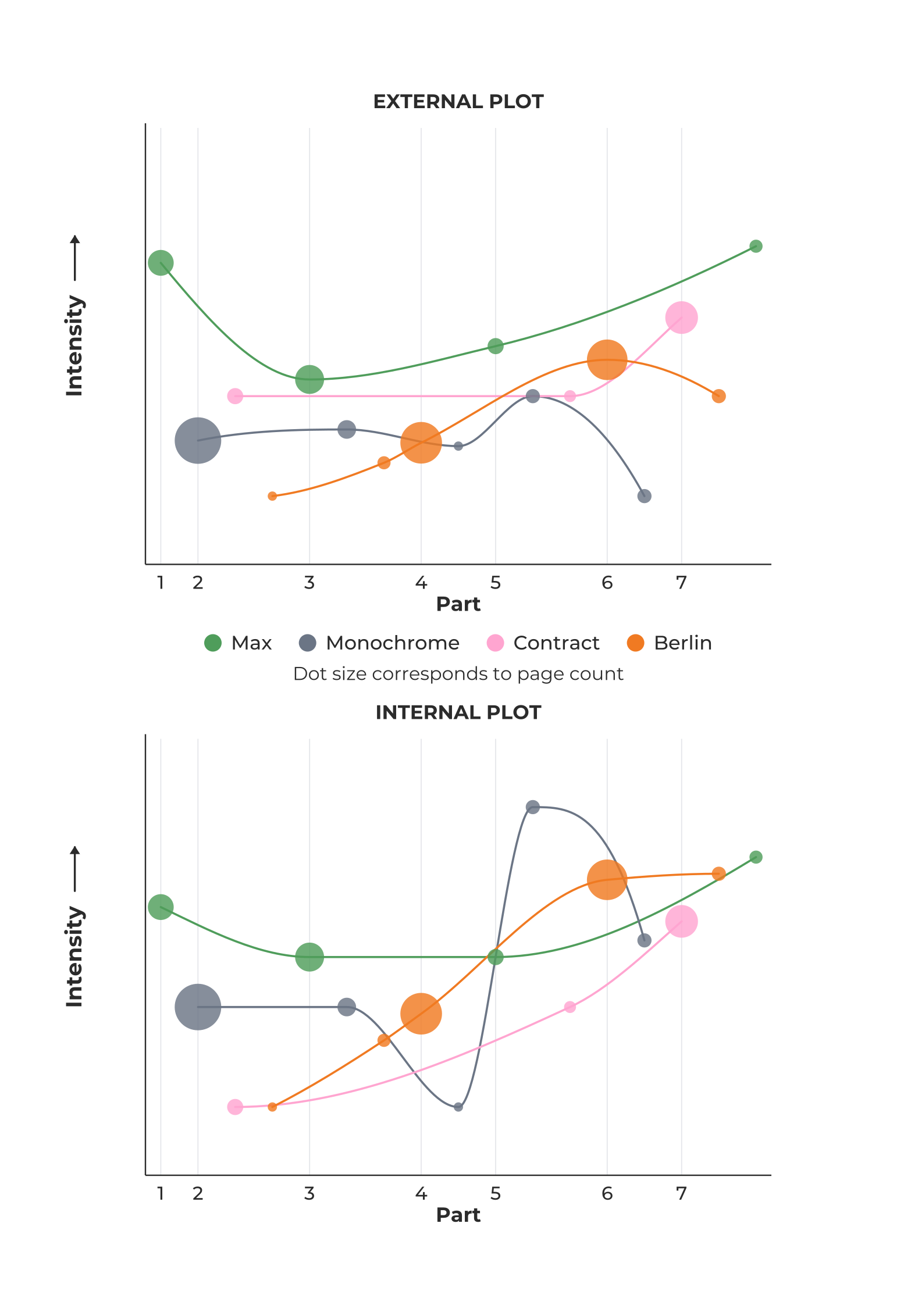
Figure 9: Internal versus external plots of The Secret Hours.
Caption: A fast-start, high-intensity subplot balances a lower-intensity, slow-build subplot.
Alt text: Two bubble charts—one for the external plot, one for the internal plot—track the four plot strands of The Secret Hours across the novel's seven parts (horizontal axis) by intensity (vertical axis, 1 to 5). Colored lines follow the Max, Monochrome, Contract, and Berlin strands, and the size of each bubble corresponds to that strand’s page count in that part. In the external plot, the Max thread starts high and stays among the most intense throughout, giving the novel its early momentum, while the Contract thread begins low and climbs only late; the largest bubbles show the Berlin thread dominating parts four and six and the Monochrome thread dominating part two. The internal plot builds more gradually, with several strands rising toward the later parts. Together the panels show a fast-start, high-intensity strand (Max) balancing the slower-building, lower-intensity strands.
Newsletter
Twice monthly emails full of craft advice and creative encouragement