

The Garret is small but holds a lot of content. Let’s help you find what you are looking for.
Archive
- Austen 25
- backstory 1
- beta readers 3
- characters 8
- conferences 5
- creativity 3
- dialogue 3
- dictionaries 3
- editing business 6
- genre 1
- grammar 2
- historical fiction 1
- introspection 1
- plot 9
- point of view 9
- publishing 1
- reading 1
- revision 9
- revision talk 1
- scene 1
- self-publishing 2
- setting 1
- style sheet 1
- theme 3
- word choice 2
- working with an editor 7
- writer's block 6
All Blue Garret posts, by category

Top takeaways from the Author Nation conference, including using curiosity gaps to hook readers, leveraging new tools and services for authors, and thriving in self-publishing. Learn about marketing strategies, metadata tools, and standing out in the age of AI—plus advice from experienced authors.

Not every scene can end with a cliff-hanger. What other techniques can you use to get maximum impact from your last few lines?

Learn how to use sensory details to bring important introspective moments alive for your readers and help them identify with your point-of-view character.

How to make sure your secondary characters are pulling their weight in your story.
Practical tips from authors about how to create names for your fictional characters.
Plot reversals can add drama and energy to a plot that is dragging.
How characters work in the machinery of the novel.
How and why your characters and plot should work together to create a book that readers can’t put down.
How visualizing your readers can help you embrace your creative power and overcome writer’s block.
Why crafting believable, engaging characters is central to writing a successful novel.
What is genre and how can understanding it help you tell the story you want to tell?
Writing a book is a big undertaking. Brilliant ideas can take seconds to formulate and months of labor to bring to fruition. But once you find your path, the work of hauling yourself over the mountain of the first draft simply requires putting one foot in front of the other.
I frequently counsel writers who are stuck in the early stages of book planning because they are paralyzed by anxiety that their plot or premise has already been written before – and better – by another author. I’m here to tell you what I tell them: stop worrying because the devil is in the details.
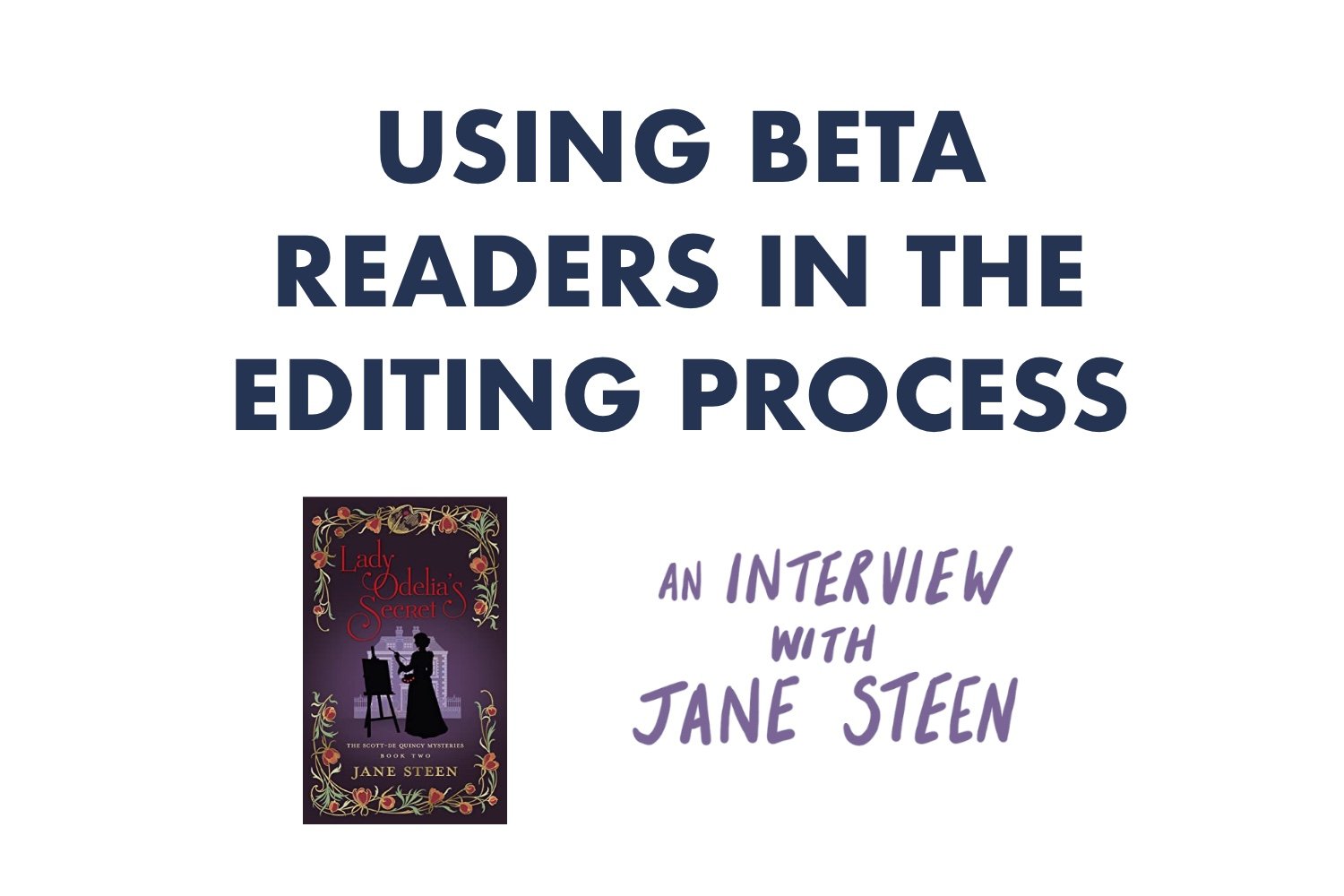
Learn how successful indie author Jane Steen, author of the House of Closed Doors Series and Scott-De Quincey Mysteries, uses beta readers as part of her revision process.
If you stepped away from the page or screen, with only the characters and situation in your memory, how would you rewrite your scene in a new way?
How do you decide what point of view is best for your story, and how do you use point of view to deepen your reader’s engagement with your characters?
Construct questions that will help you see your novel in new ways.
Learn how to spot possible plot problems in your novel and how to fix them.
What is Chekhov’s gun principle and why do you need to add it to your revision checklist?
Learn how to tackle the first big step of revising your novel: choosing a tool that will help you get an overview of your story.
What’s stopping you from revising your novel?
Many times, when writers think they are revising, they are actually just editing. What’s the difference between the two?
What metaphors can help us understand the purpose and process of revising a book?
You’ve agreed to be a beta reader for someone’s book – what do you do now? This post will give you concrete guidance on how to provide constructive criticism that will help the author improve their book.
Working with beta readers can be a low-cost way of improving your book and making sure it connects with readers in your genre. This post will give you tips on how to find beta readers, what questions to ask them, and how to use their feedback.


It can be scary to send your work to an editor, even when you know you need feedback to improve. Here are 5 tips that will help you fight the fear.

Is it “alright” or “all right”? The short answer: it depends. I’ll give you the details, so you can decide what is right for your context.
Learn how to bring your fictional dialogue to life using dialogue tags.
Who makes the rules, and what is the logic behind them?
Is it, "Are you there, Mom?" or "Are you there, mom?" Learn the rules about when to capitalize family titles.
Learn the three most important rules for punctuating dialogue in your novel.
Learn about three key sources that will help you decide whether a term would be used in your fictional character’s period.
Learn how ellipses and dashes can help you create dramatic rhythm and pacing in your dialogue.


My year in review, featuring highlights as well as numbers, for a glimpse behind the scenes of a freelance editing business.

Read about the tools I use every day to keep my business running smoothly.

Learn how AI tools can assist writers and editors with fact-checking quotations. Though you still need to verify results, using AI tools such as ChatGPT and Microsoft’s internet-connected Bing can save you time and even provide you with additional context that can enhance your work.

Discover key insights from EFACon2023. From Cathy Hannabach's keynote on "critical generosity" to Ebonye Gussine Wilkins's enlightening workshop on inclusivity in AI-generated text, there's a wealth of knowledge to explore.

Learn how introverted writers and editors can overcome the fear of public speaking and make it a powerful marketing tool.
My year in review, featuring highlights as well as numbers, for a glimpse behind the scenes of a freelance editing business.

Highlights from the 2021 ACES conference.
For authors, the editing process can seem mysterious and maybe even scary. What is an editor going to be doing to the words you worked so hard to get down on the page?

Learn how editors use a style sheet to copyedit your novel.
Top takeaways from the Author Nation conference, including using curiosity gaps to hook readers, leveraging new tools and services for authors, and thriving in self-publishing. Learn about marketing strategies, metadata tools, and standing out in the age of AI—plus advice from experienced authors.

A write-up of the proceedings at PageBreak, a "next-generation" publishing conference, with ideas, tools, and strategies for self-publishing authors.

Learn how documenting your standard operating procedures can make it easier to format, publish, and maybe even write your book.
Tips and tricks for using Zoom to build connection with colleagues and clients.